




Population & World History
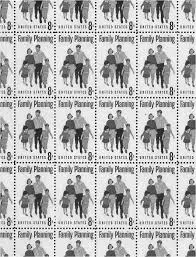
Population is a 360-degree problem – a gripping challenge for world historians: fertility and mortality; food production and consumption; soil fertility and land-use; economy and ecology; energy and physiology; international relations and intimate relations; colonialism and development. Bashford’s model for bringing this all together is to consider population simultaneously as geo-politics, bio-politics, eco-politics and cosmo-politics.
The Laureate Centre for History & Population
Global Population: History, Geopolitics, and Life on Earth (Columbia University Press, 2014).
The New Worlds of Thomas Robert Malthus: Re-reading the Principle of Population (Princeton University Press, 2016).
A. Bashford, S. Fennell, D. Kelly (eds), ‘Malthusian Moments’, The Historical Journal, 63: Inaugural Special Issue 1, 2020.
“Population Planning for a Global Middle Class,” in Christof Dejung, David Motadel, and Jürgen Osterhammel (eds), The Global Bourgeoisie: The Rise of the Middle Classes in the Age of Empire (Princeton, 2019): 85-101.
“Population Politics since 1750,” in J.R. McNeill and Kenneth Pomeranz (eds),The Cambridge World History, Vol. 7 (Cambridge, 2015): 212-236.
A. Bashford, “Nation, Empire, Globe: The Spaces of Population Debate in the Interwar Years,” Comparative Studies in Society and History, 49 (2007): 170–201.


New Earth Histories and Deep Time
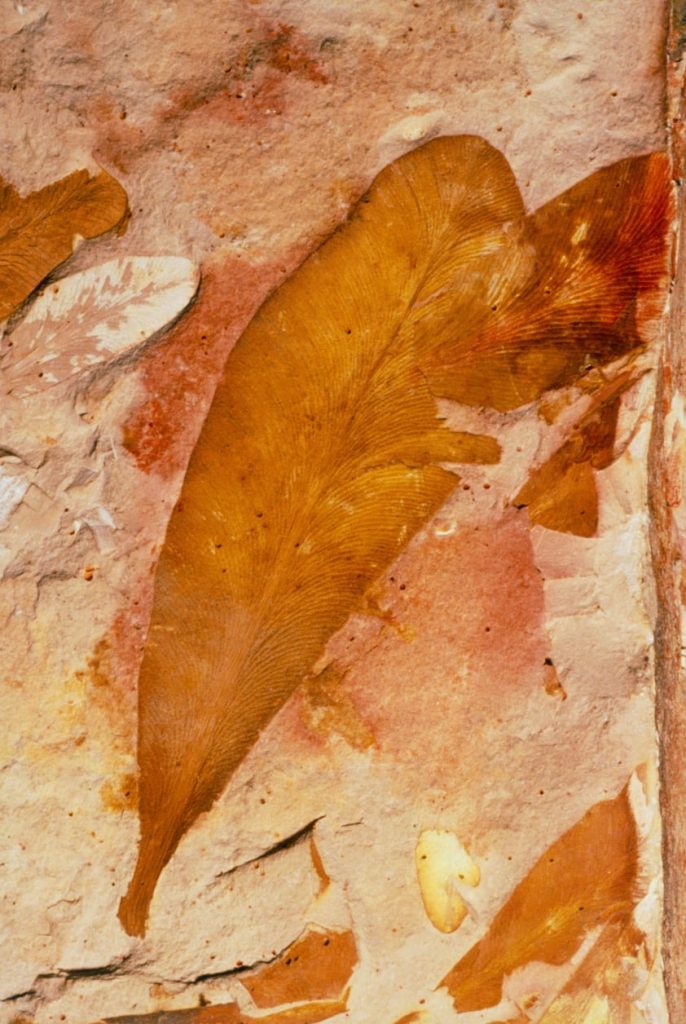
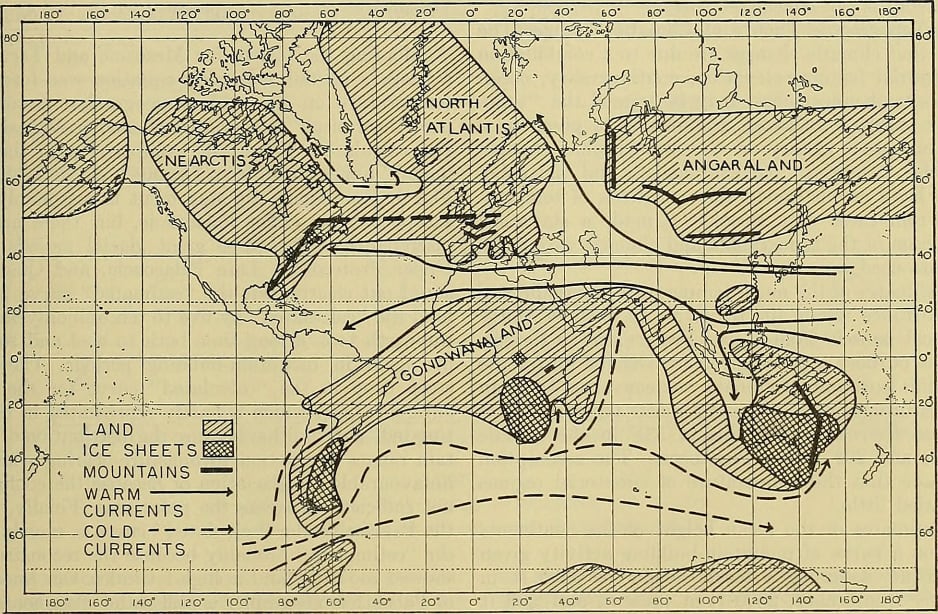
New Earth Histories brings the history of geosciences and the history of select world cosmologies together. Founded at UNSW in 2017, this research program aims to produce a fresh and cosmopolitan history of environmental sciences, analysing the significance of geological time and multiple cosmologies for global modernity itself. Bashford explores the modern history of deep time – human, before human, and beyond human. With colleagues, she is researching the modern history of an ancient supercontinent, Gondwanaland.
A. Bashford, E. Kern and A. Bobbette (eds), New Earth Histories: Geo-cosmologies and the Making of the Modern World (Chicago: University of Chicago Press, 2023).
A. Bashford, P. Chakrabarti, J. Hore, “Towards a Modern History of Gondwanaland,” Journal of the British Academy 9(s6), (2021)


Eugenics
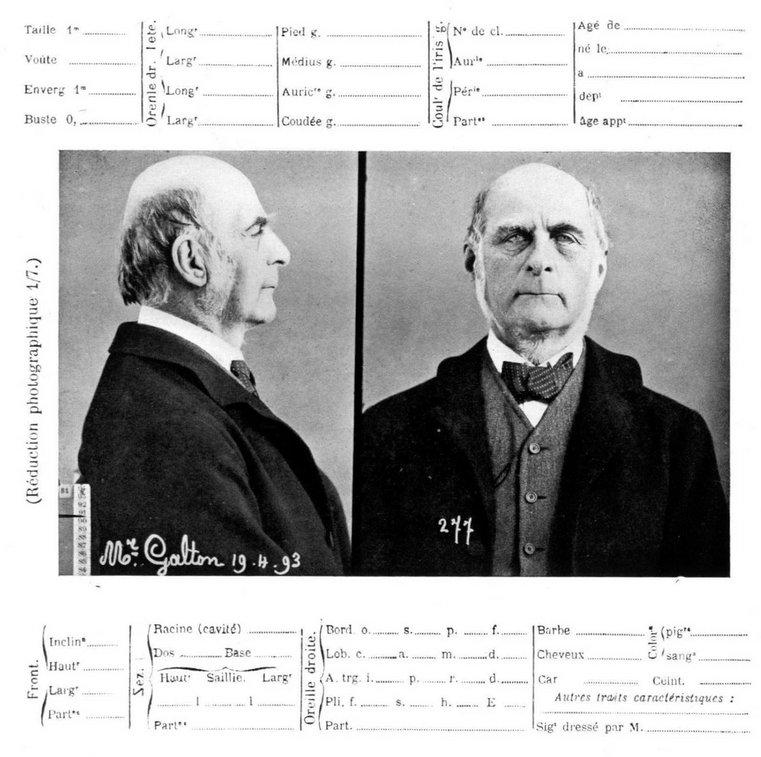
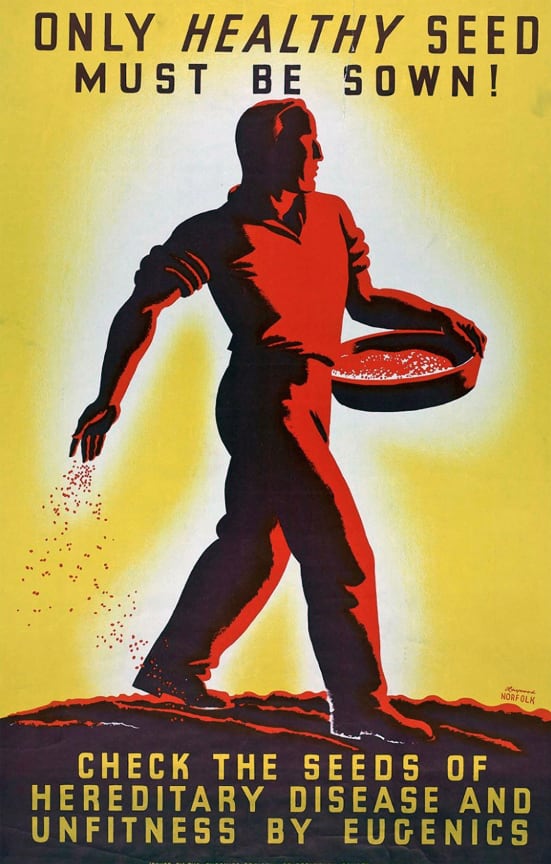
Where did eugenics go? With this key question in hand, Bashford has explored a long history of eugenics, dispelling the idea that eugenics either vanished or went underground after World War II. She has tracked eugenics’ explicit transformation into social biology, into transhumanism, and into neo-liberal, choice-based assisted reproductive technologies. How and why did eugenics flourish amongst progressivists, modernists, reformers, and even key twentieth-century anti-racists and anti-colonials? Eugenics needs to be understood within 20th-century conceptions of “freedom” and “duty,” as much illiberal coercion.
“The Species: Human Difference and Global Eugenics,” in Global Population
The Oxford Handbook of the History of Eugenics (Oxford University Press, 2010), edited with Philippa Levine.
“World Population from Eugenics to Climate Change,” in Nick Hopwood, Rebecca Flemming and Lauren Kassell (eds), Reproduction: From Antiquity to the Present Day (Cambridge University Press, 2018), 505-520.
“Julian Huxley’s Transhumanism,” in Marius Turda (ed.) Crafting Humans: From genesis to eugenics and beyond (Vandenhoeck & Ruprecht, 2013), 153–68.


Quarantine, Disease, and Border Control
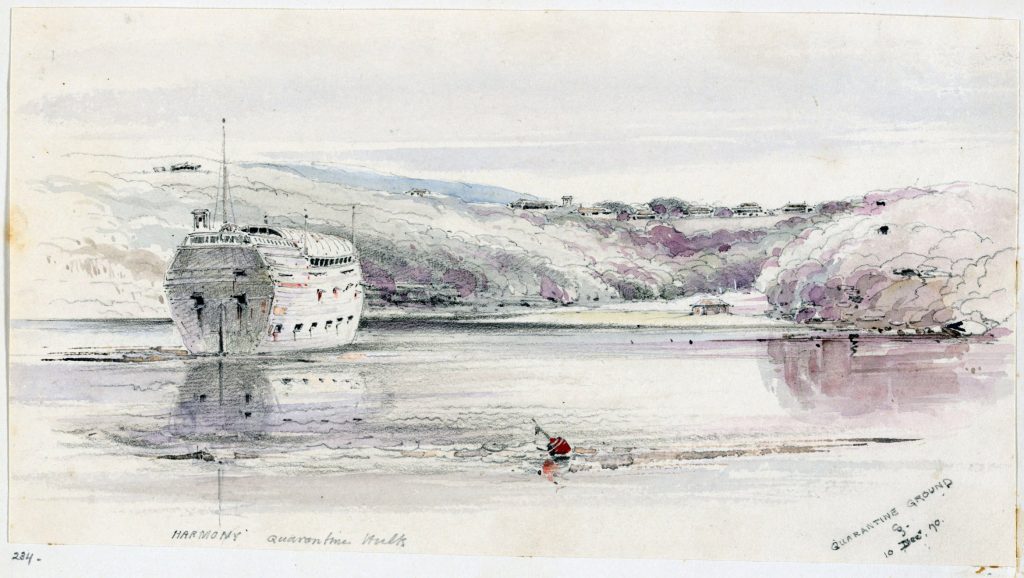
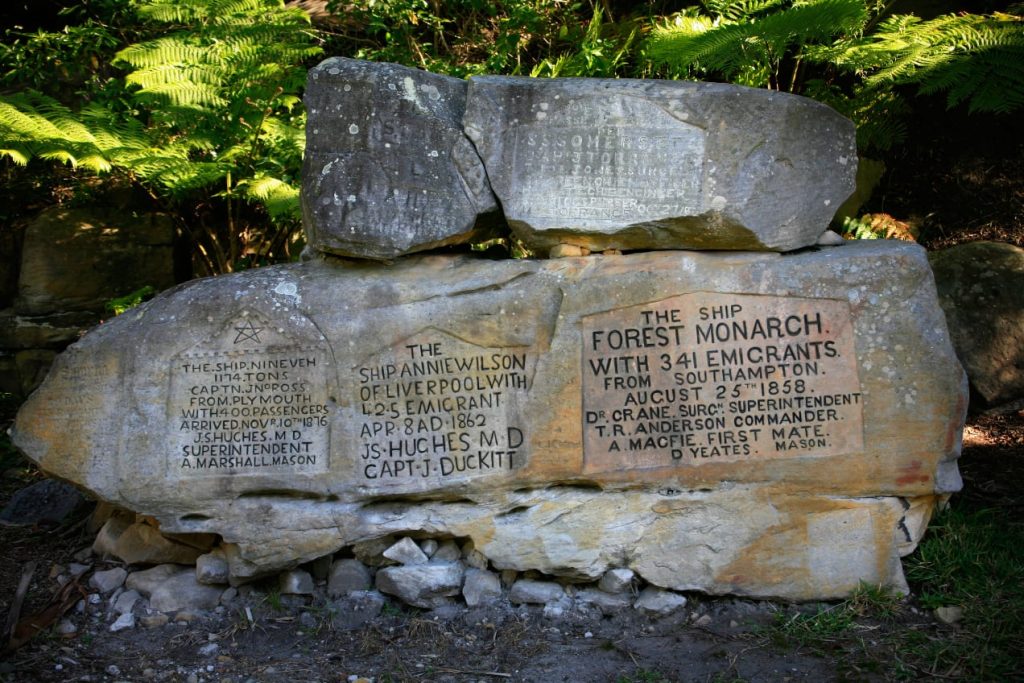
Bashford’s earliest research unpacked a long history of global medico-legal border control, tracking the epidemiology, politics, law and culture of segregation, isolation, and quarantine. Four edited books – Contagion (2001), Isolation (2003)and Medicine at the Border (2006) and Quarantine (2016) – tackled the histories and geographies of biosecurity, all prehistories of a coronavirus world.
C.C. Huang and A. Bashford, “Maritime Geographies and the Borders of Disease,” International Journal of Maritime History, 37, no. 1 (2025).
“Geographies of Commemoration,” Journal of Historical Geography, 52 (2016): 16–25. With Peter Hobbins, Anne Clarke and Ursula K. Frederick
“Rethinking Quarantine: Pacific History at Australia’s Edge,” Australian Historical Studies, 46, 3 (2015): 392–409. With Peter Hobbins.
Imperial Hygiene (2004)


Immigration Law & Regulation
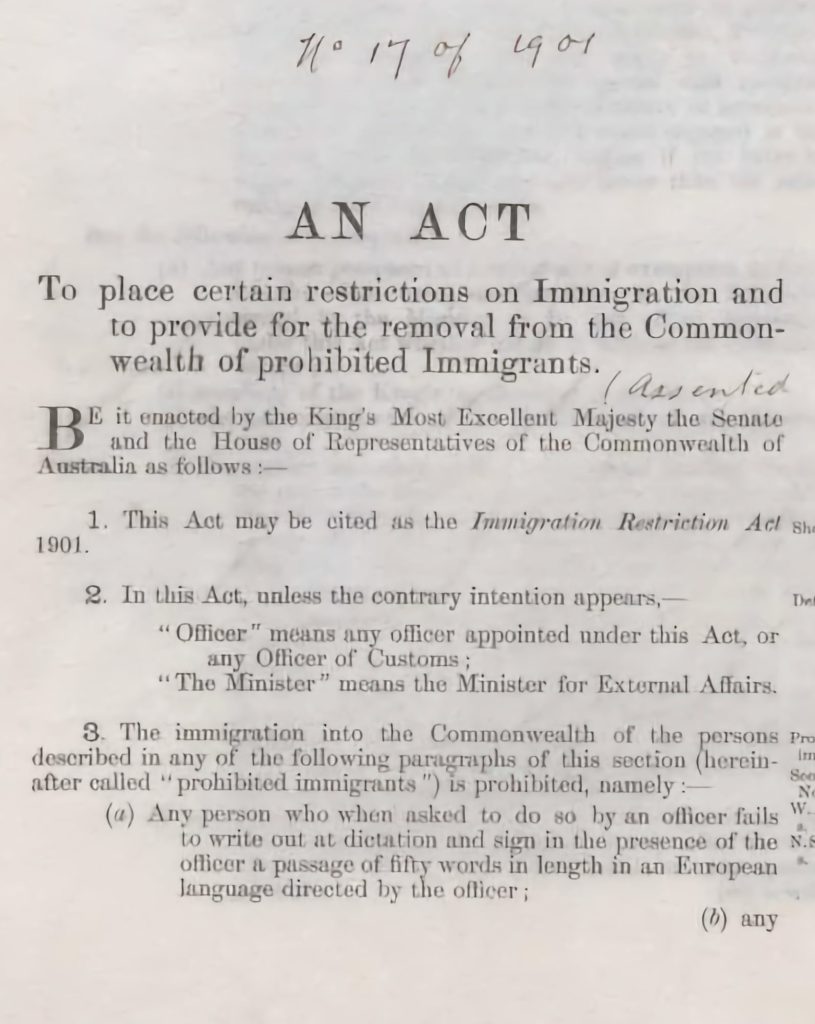
Working outwards from the history of quarantine law, Bashford has researched the related emergence of immigration restriction over the nineteenth and twentieth centuries, almost always involving health and disease regulations. Over this world history of increasingly rigid national border controls, she argues that the UK has been an important liberal outlier.
“Revisiting Disease in Immigration Law: Colonial and Commonwealth Histories” in Emily Gordon, Charles Mitchell and Ian Williams (eds), Epidemics and the Law from Past to Present (London: UCL Press, 2025).
“The Right to Asylum: The 1905 Aliens Act and the Evolution of Refugee Law,” Law and History Review, 32, 2 (2014): 309–350. With Jane McAdam
“Immigration Restriction: Rethinking Period and Place from Settler Colonies to Postcolonial Nation,” Journal of Global History, 9, 1 (2014): 26–48
“Insanity and Immigration Restriction” in Catherine Cox and Hilary Marland (eds), Migration, Health, and Ethnicity in the Modern World (Palgrave, 2013): 14–35
“The Colonial History of the 1905 Aliens Act,” Journal of Imperial and Commonwealth History, 40 (2012): 409–37. With Catie Gilchrist
“Migration: World Population and the Global Color Line,” in Global Population.
“Asylum-Seekers and National histories of Detention,” Australian Journal of Politics and History, 48 (2002): 509-527. With Carolyn Strange
Research publications
View a list of Alison’s publications